
I have better things to do. I can’t be bothered. I have a week till this 40 marker is due, so there is no point doing it right away.
I will just wait until the last second.
But why? Why do we do this? Why do we put ourselves through this anxiety, and wait to be productive?
Let’s define procrastination. Due to an article called ‘The Psychology Behind Procrastination’ from the UMSU website, it says procrastination is “…the act of unnecessarily postponing decisions or actions when we know we will suffer as a result of it.” There are 6 different types of procrastinators:
- The perfectionist: If you are this type, you procrastinate because you don’t want what you must do to be anything less than perfect, so you procrastinate and do it when you absolutely must.
- The dreamer: If you are this type, you have so many ideas that it is too hard to implement into what you need to do, and you hate having to put them all into detail. So therefore… you procrastinate! You put it off to ‘think’ about it and eventually are forced into a solution.
- The worrier: If you are this type, you need security and keep asking ‘what if’. You might spend too much time thinking about the anxiety and stress of doing it and leaving your comfort zone.
- The crisis-maker: If you are this type, you enjoy the thrill and adrenaline rush of rushing. You say you do your best under pressure, but you end up getting to the assignment and end up frustrated and with a halfhearted assignment to turn in.
- The defier: If you are this type, you would rather set your own schedule and not live by anybody else’s deadlines. You dont like to be controlled, or predictable, so not doing it till the last minute is your way of defying.
- The overdoer: If you are this type, you say yes to too many commitments, and then that leads you to burning out. That leads to your loss of motivation, and therefore procrastination.
Now that we understand what a procrastinator is and what it looks like, we can now take a look at the science or ideas behind it too. Procrastination has been described as a short-term solution to a problem. We genuinely believe that we won’t enjoy doing what we need to, and that there are better options than what we need to do. Even though it is almost guaranteed that when we do what is needed, we are relieved and feel even better than before. Psychologists have studied procrastination and have concluded that this can be caused by low self-confidence, anxiety, lack of structure, and the inability to motivate.
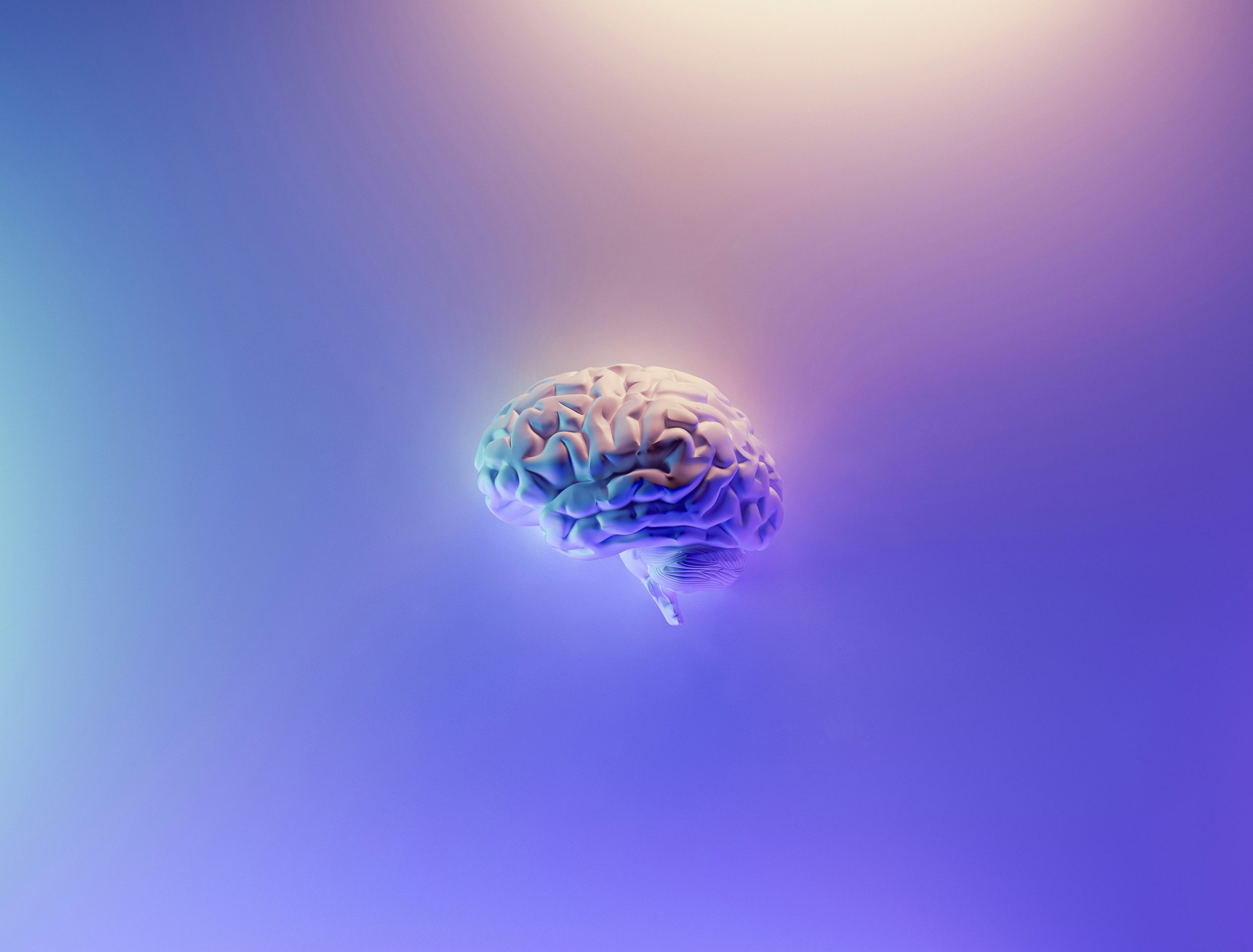
There is a system in our brain called the limbic system which is the brain’s emotional hub. The amygdala is a part of the limbic system that processes emotions such as fear and anxiety. When a task is given, and you are overwhelmed, this part of your brain is trying to seek relief, such as binge watching a show. Also, more enjoyable activities supply you with more dopamine, which can keep the habit of procrastination alive. The prefrontal cortex of the brain is the decision-making part of your brain. When a challenging task arises, your prefrontal cortex and your limbic system fight between doing the task in the moment or waiting.
What does this mean for you? Procrastination can have emotional and physical effects. Procrastination can lead to low grades, produce lower quality work, insomnia or other sleep problems, cardiovascular disease, anxiety, depression, unhealthy coping mechanisms, and lots more.
How can I combat this? To prevent the stress on a Sunday night to finish an assignment here are some things you can do to help yourself:
- Make your own timeline to prevent delays
- Doing work in chunks
- Reward yourself after finishing a task
- Look at the assignment with a different and more positive view
- Prioritize and make a to do list
- Remove distractions from the facinity
- Be kinder to yourself!
With these efforts, it is almost certain that your mental, emotional, and physical health will improve and will improve your relationship with yourself and others. So, do it now, or do it later with panic? It is your choice!
References:
- https://www.psychologytoday.com/gb/basics/procrastination
- https://umsu.unimelb.edu.au/news/article/7797/The-Psychology-Behind-Procrastination/
- https://www.healthline.com/health-news/procrastination-digital-age#Work-best-under-pressure
- https://insightspsychology.org/the-neuroscience-of-procrastination/
Ava Call.
Leave a Reply